Plumbing
Instant vs Storage vs Gas Geyser: Which Is Right for Your Home This Winter?
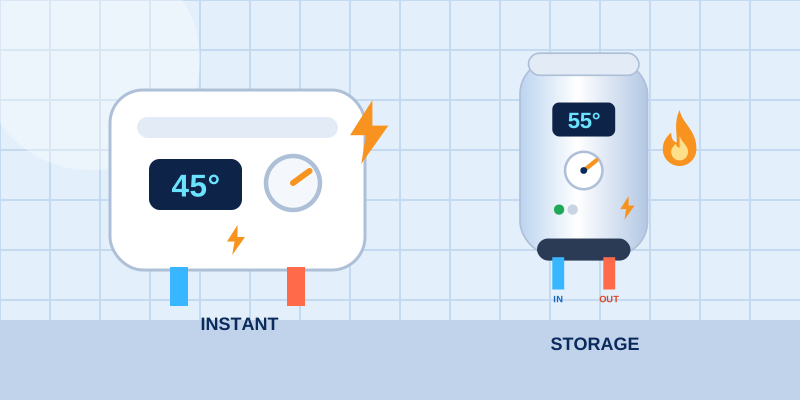
Compare gas, storage electric and instant (tankless) geysers for Pakistani homes: gas pressure, carbon monoxide safety, wiring needs and winter maintenance.
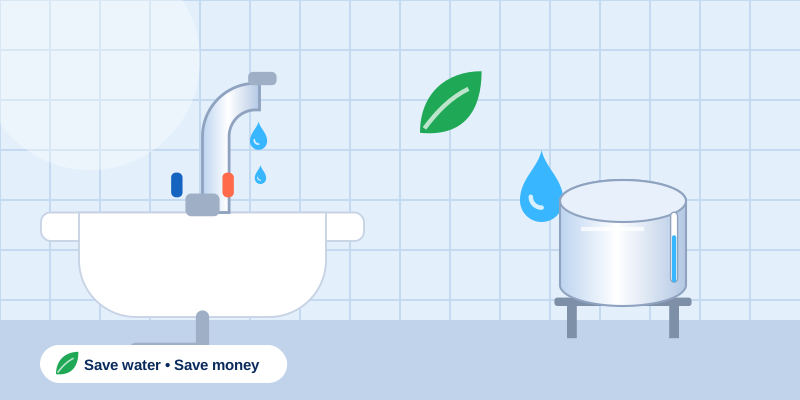
Water conservation and greywater reuse are among the fastest-growing plumbing trends. You do not need a big renovation: a handful of small upgrades cut both water and the electricity you spend pumping it.
The US EPA states that "a leaky faucet that drips at the rate of one drip per second can waste more than 3,000 gallons per year", which is over 11,000 litres. A worn washer or cartridge costs very little to replace, so this is the best return on any plumbing job.
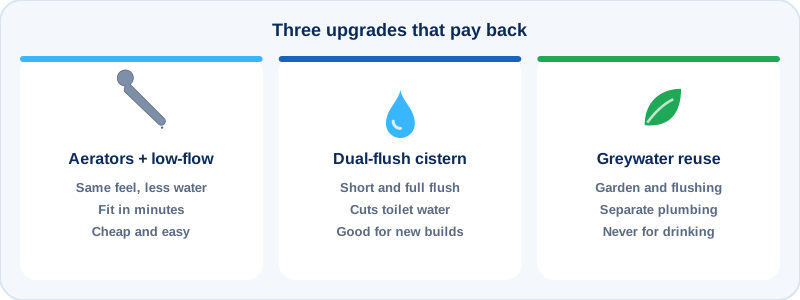
An aerator mixes air into the water stream so a tap feels strong while using less. Low-flow shower heads work the same way. They cost little, take minutes to fit and are easy to clean if scale builds up.
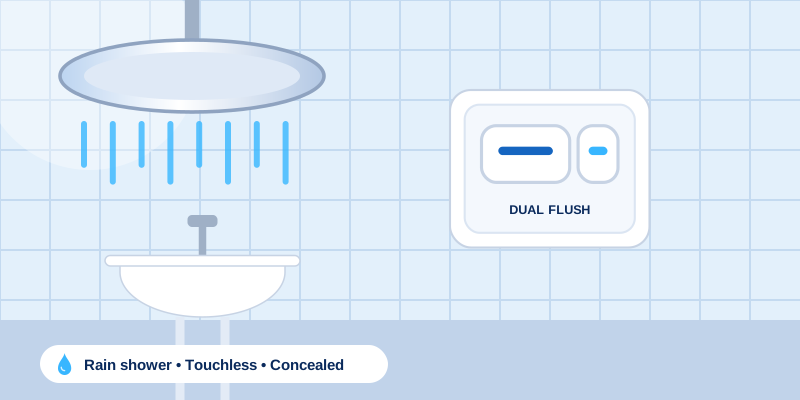
A dual-flush cistern gives you a short flush and a full flush, so you stop using full-tank water for every use. Concealed cisterns with dual-flush plates are also a popular look for new bathrooms.
Greywater is lightly used water from basins, showers and washing machines. Filtered and handled correctly, it can water gardens or flush toilets. It needs separate plumbing so it never mixes with drinking water, and it should never be used for drinking or on edible leaves.
Rainwater from the roof can be collected in a tank for gardens, cleaning and flushing. A simple first-flush diverter and a mesh at the downpipe keep debris out.
Tell us what you want to improve and send photos of your tank, taps and bathroom fittings.
Message us your location and a photo of the problem. We will discuss the work needed and availability with you directly.
This guide is general information to help you understand common home service issues. Rules, tariffs and prices change, and every home is different. Electrical, gas and plumbing work should be carried out by a qualified person.
Compare gas, storage electric and instant (tankless) geysers for Pakistani homes: gas pressure, carbon monoxide safety, wiring needs and winter maintenance.
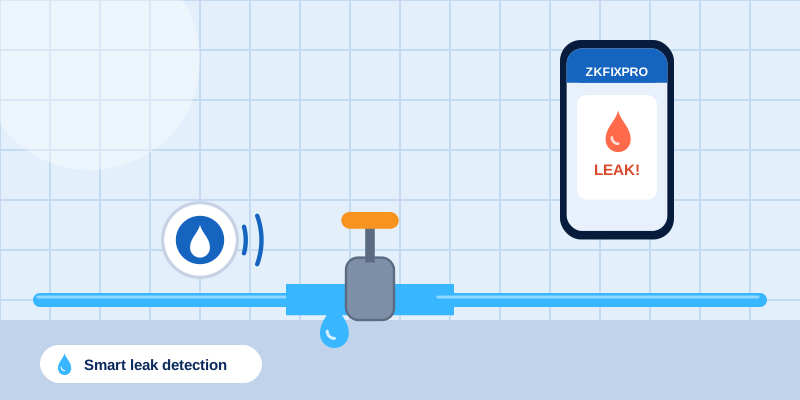
Self-reporting leak detection is a top 2026 plumbing trend. See how sensors, alerts and auto shut-off valves work and where to place them.
Rain showers, concealed cisterns, touchless taps and bidet sprays: the bathroom upgrade trends of 2026, with the plumbing and electrical checks each one needs.