Smart & EV
Smart Switches & Smart Plugs: What Pakistani Homes Need to Know Before Going Smart
Wi-Fi smart switches, smart plugs and automation are booming. Learn about the neutral-wire problem, load limits, load-shedding behaviour and what to buy.
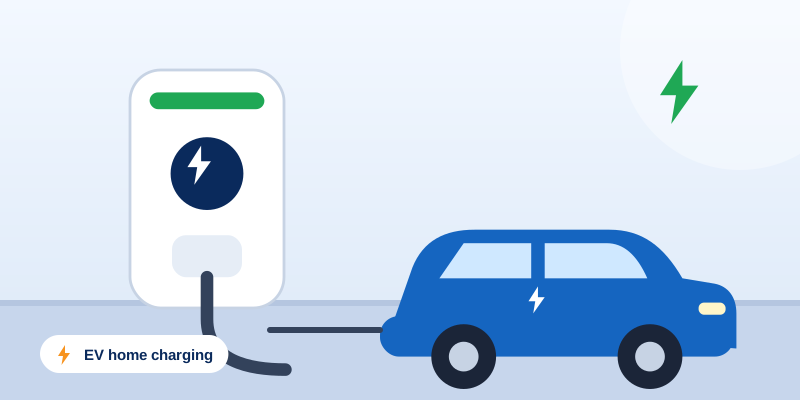
Pakistan has set a target of 3,000 EV charging stations by 2030 and electric bikes are already everywhere. Most of the charging will happen at home, so the real question is whether your wiring is ready.
Senator Khalida Ateeb, chair of the Senate Standing Committee on Industries and Production, said the government "aims to establish 3,000 electric vehicle charging stations by 2030" (Arab News, July 2026). For car owners, PakWheels' 2026 buying checklist advises: "Prefer cars that use Type 2 for AC charging and CCS2 for DC fast charging." At home you will almost always use AC charging, which is gentler on both the car and your wiring.
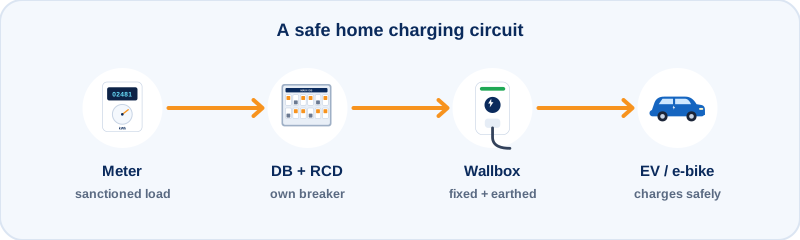
PakWheels lists, among the things you should have at home, "wiring and protection that can safely handle a wallbox." In practice that means:
E-bike chargers are lighter loads, but lithium batteries need respect:
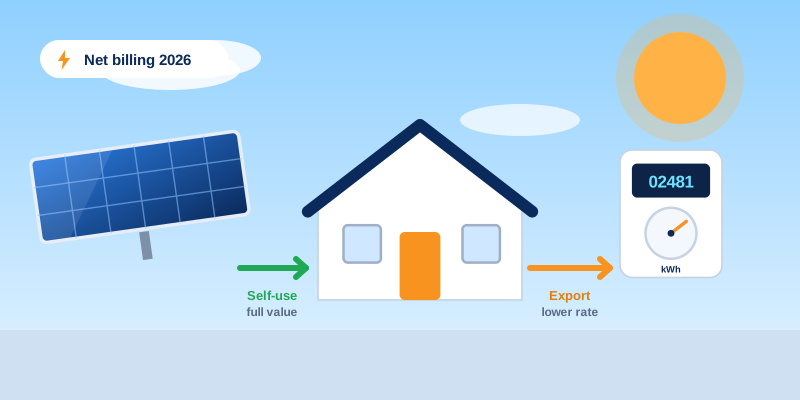
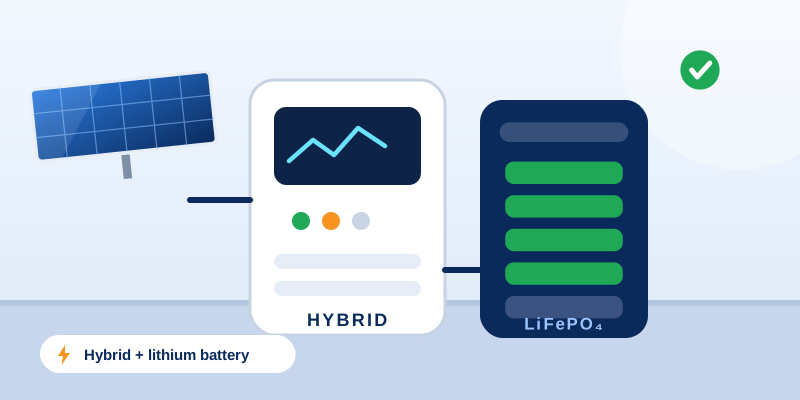
Charging at midday from your own panels is the cheapest way to run an EV, and under net billing it is worth more than exporting the same units. A hybrid system with a battery can also charge from stored energy. The wiring needs to be planned for both, which is another reason to get the board checked first.
Message us a photo of your board and parking spot and we will talk through what the circuit needs.
Message us your location and a photo of the problem. We will discuss the work needed and availability with you directly.
This guide is general information to help you understand common home service issues. Rules, tariffs and prices change, and every home is different. Electrical, gas and plumbing work should be carried out by a qualified person.
Wi-Fi smart switches, smart plugs and automation are booming. Learn about the neutral-wire problem, load limits, load-shedding behaviour and what to buy.
NEPRA's 2026 rules replaced net metering with net billing. What it means for rooftop solar owners in Islamabad and Rawalpindi, and the wiring that pays off.
Hybrid inverters and LiFePO4 batteries are the 2026 upgrade. Check earthing, isolators, cables, ventilation and labelling before you pay an installer.