Quick answer: Since NEPRA's prosumer regulations of 9 February 2026, new rooftop solar owners in Pakistan are on net billing, not net metering. You pay the full tariff for grid power and exported units are credited at a lower, market-linked rate. Use your solar power at home first, add storage if you can, and have your wiring and earthing checked before you expand.
In February 2026 NEPRA notified new prosumer regulations that replaced net metering with net billing. The headline is simple: units you export are now worth less than units you use. That changes how a smart solar home should be wired.
What actually changed
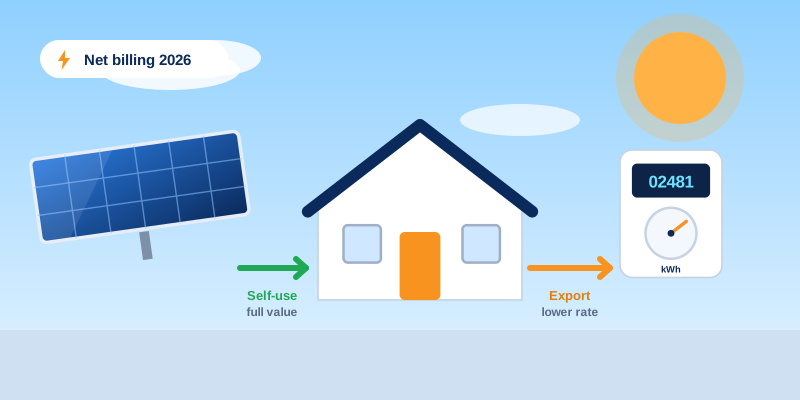
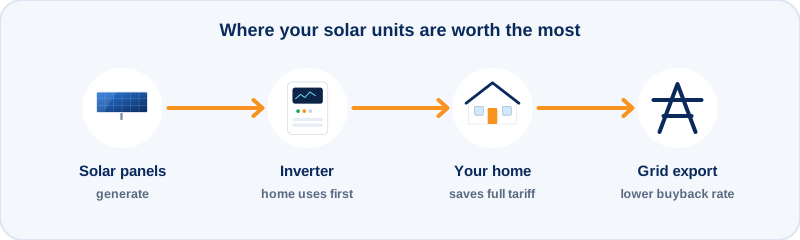
Under the old net-metering model, exported units offset your bill at roughly the same rate you paid for grid power. Under net billing, buying and selling are priced separately. Arab News reported that consumers exporting surplus electricity "will no longer be compensated at retail tariffs": exports are paid at the "national average energy purchase price", a lower, market-linked rate, while you still pay the full tariff for grid power.
The regulations were notified on 9 February 2026 and cover solar, wind and biogas systems up to 1 MW.
Installed capacity cannot exceed the consumer's sanctioned load.
Existing net-metered consumers are reported to keep their current agreements until they expire, then move to the new system. New agreements run for five years.
Utilities may restrict new connections when exports would exceed 80% of a local transformer's capacity.
Some industry commentary puts the new buyback figure at roughly Rs 11 per unit, down from about Rs 27. Treat any single number carefully and confirm the current rate with your distribution company (IESCO for Islamabad and Rawalpindi).
Self-use beats export under net billing: every unit your home uses directly saves the full tariff.
Why self-use is now the goal
Every unit your home uses straight from the panels saves the full grid tariff. Every unit you export earns less. So the smartest setup is one that shifts your biggest loads into daylight hours and stores surplus for the evening.
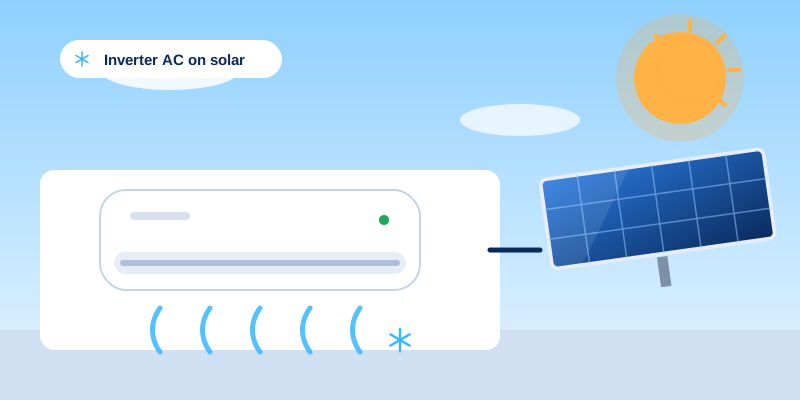
Run heavy loads at midday: water pump, washing machine, iron and pre-cooling the house with an inverter AC.
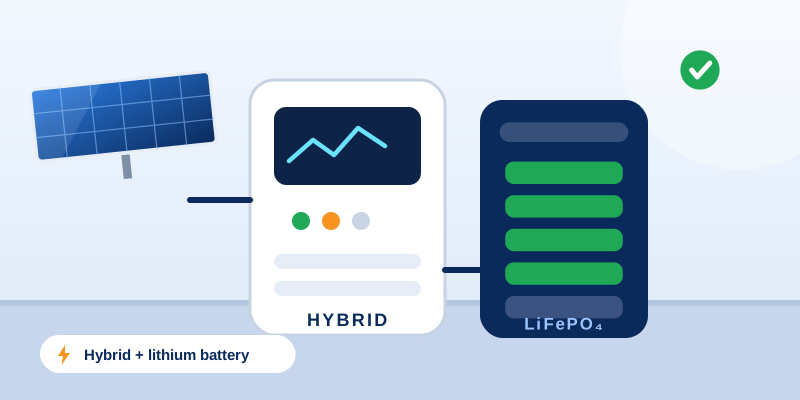
Add storage: a hybrid inverter with a lithium battery keeps your own units for the evening peak instead of selling them cheaply.
Cut waste first: LED lighting, BLDC fans and a clean, correctly sized AC lower the load you have to cover.
The electrical side people forget
A solar upgrade is only as good as the wiring behind it. Before you sign anything, ask whether the installer will:
check the condition and capacity of your existing distribution board and cables;
provide proper earthing, surge protection and isolators on both the DC and AC side;
use correctly rated breakers and copper cable sized for the current;
label every circuit so the system can be isolated quickly;
keep the system within your sanctioned load.
Tip: If your home wiring is old, get it inspected before adding a solar system. Adding a big new source to tired wiring is a common cause of overheating and nuisance tripping.
Questions to ask before you upgrade
Is my current agreement net metering or net billing, and when does it end?
How much of my usage happens in daylight, and could I shift more of it?
Is the inverter battery-ready so I can add storage later?
Who handles earthing, isolators and the final electrical inspection?
We can talk through the electrical side of your home, such as your board, wiring, earthing and circuits, before you invest. Send us a photo of your distribution board on WhatsApp.
This guide is general information to help you understand common home service issues. Rules, tariffs and prices change, and every home is different. Electrical, gas and plumbing work should be carried out by a qualified person.
Will your hybrid inverter run your inverter AC? Learn how to size the system, why overload alarms happen and how to cool your home on solar without tripping.
EV cars and e-bikes are arriving in Pakistan fast. Learn what a safe home charging point needs: dedicated circuit, protection, earthing and fire safety.