Plumbing
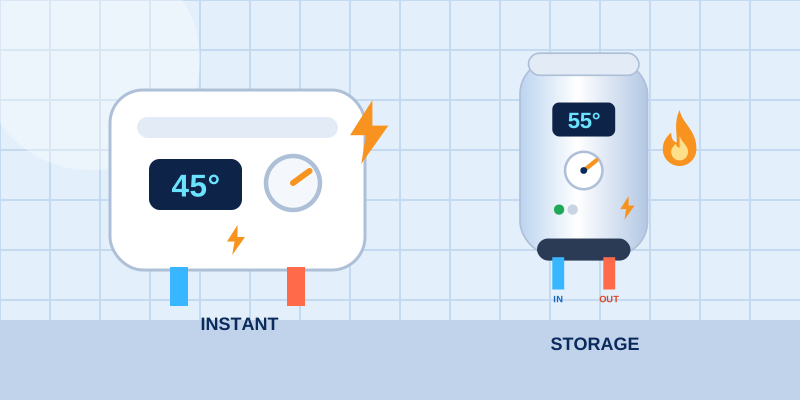
Instant vs Storage vs Gas Geyser: Which Is Right for Your Home This Winter?
Compare gas, storage electric and instant (tankless) geysers for Pakistani homes: gas pressure, carbon monoxide safety, wiring needs and winter maintenance.
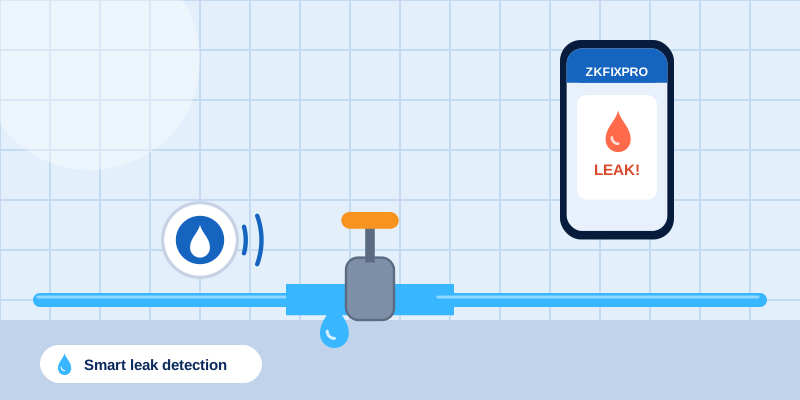
Plumbing industry reports for 2026 put self-reporting leak detection near the top of the trend list. The idea is simple: catch the leak when it is a drip, not when it is a stained ceiling.
Three parts work as a chain: a sensor that detects water, an alert that tells you (a loud alarm or a phone notification), and optionally a motorised shut-off valve that closes the supply by itself.
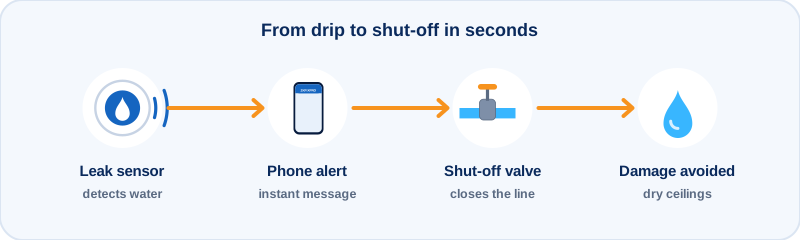
ServiceTitan's trends report describes these systems as ones that pinpoint leaks, alert homeowners and shut off the water. The scale of the problem is large: the US EPA says "household leaks can waste nearly 1 trillion gallons of water annually nationwide."
If you are planning a bathroom or tank upgrade, ask us about adding isolating valves, a pump float switch or a leak sensor while the pipes are open.
Message us your location and a photo of the problem. We will discuss the work needed and availability with you directly.
This guide is general information to help you understand common home service issues. Rules, tariffs and prices change, and every home is different. Electrical, gas and plumbing work should be carried out by a qualified person.
Compare gas, storage electric and instant (tankless) geysers for Pakistani homes: gas pressure, carbon monoxide safety, wiring needs and winter maintenance.
Aerators, dual-flush cisterns, pump timers and greywater reuse cut water and pumping costs. Practical upgrades for homes in Islamabad and Rawalpindi.
Rain showers, concealed cisterns, touchless taps and bidet sprays: the bathroom upgrade trends of 2026, with the plumbing and electrical checks each one needs.